Most automotive projects don't fail at the tool. They fail before the tool is even ordered.
Execution does not fail. Ungoverned decisions fail.
OEM timelines are fixed. Start-of-production (SOP) dates do not move. When a Class-A surface complaint or a missed SOP date arrives, it does not stay at the part level. It reaches leadership reviews and carries brand consequences.
Which one is you?
Six situations. One governance approach. Find the one that sounds like your programme, right now.
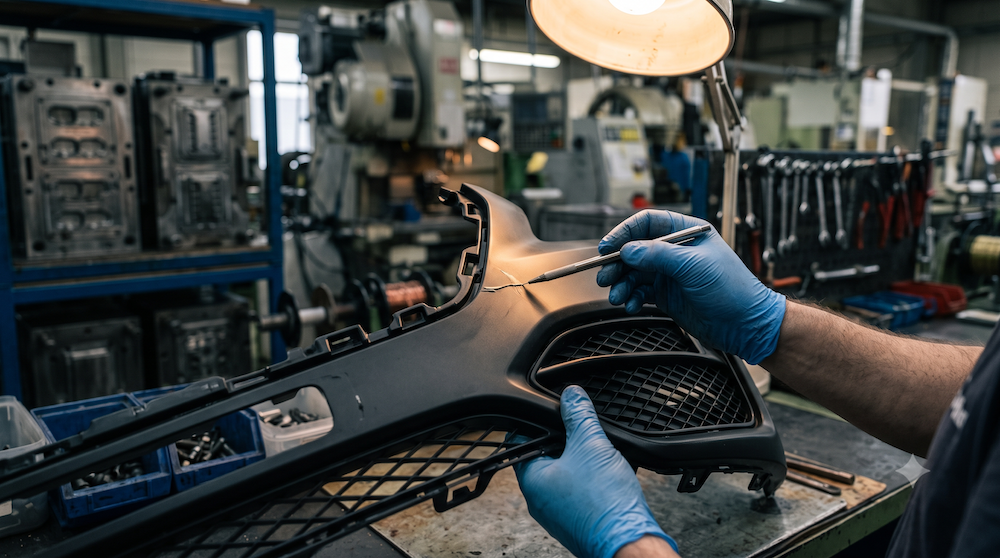
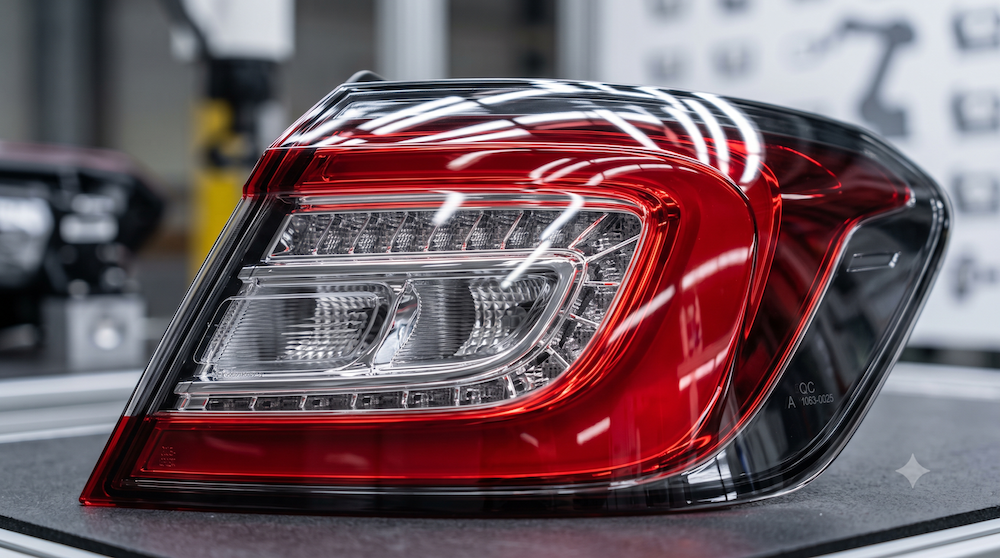
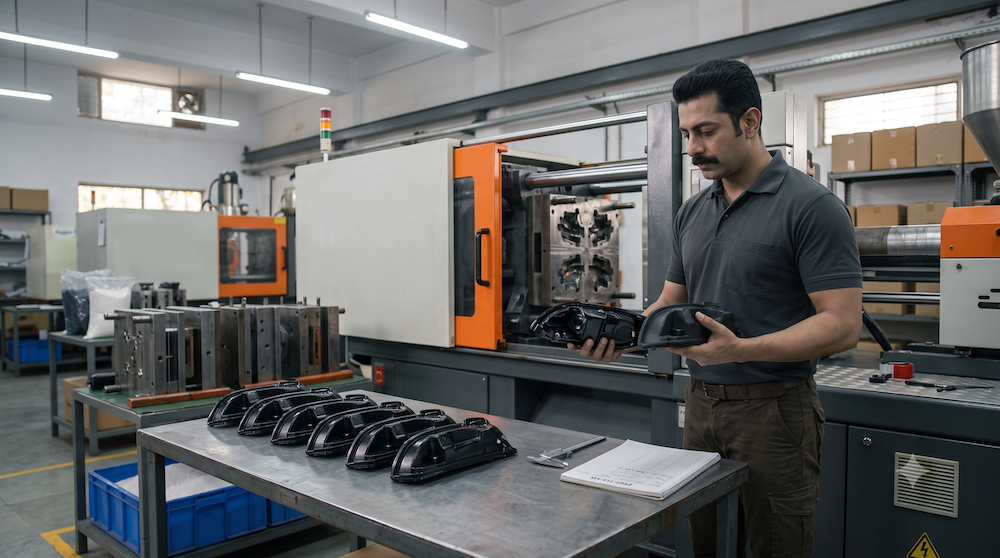
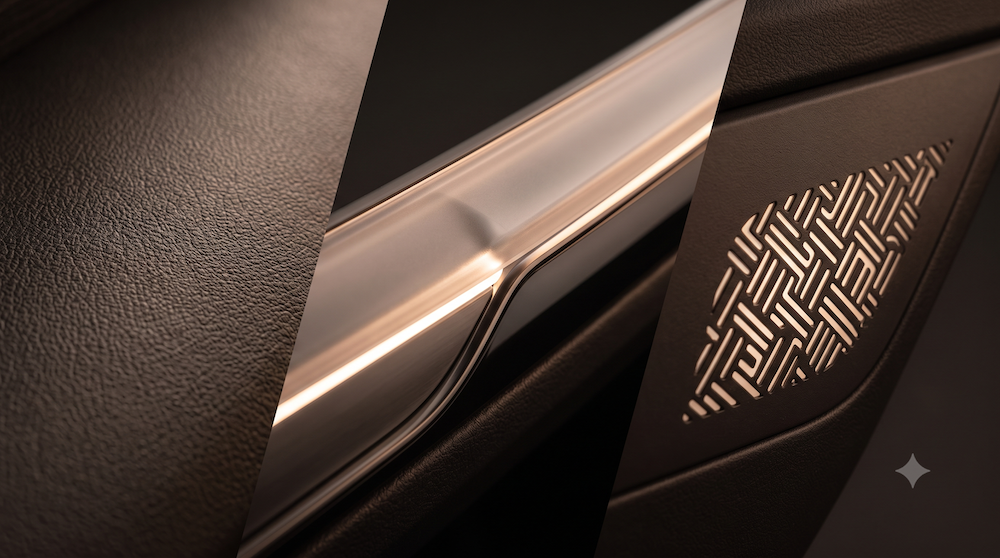
World-class surface and lighting technology doesn't exist at most Indian Tier-1s yet.
It exists in China. Trust is what makes it reachable.
China has surface, texture, and LED-integration capability most Indian OEMs and Tier-1s haven't fully seen or accessed yet. Reaching it reliably is the second half of the problem: will the supplier deliver what was promised, how are engineering changes managed, and who represents you on the ground. Hongyi JIG has operated in China since 2003, with hubs in Shenzhen and Huangyan, precisely to close both gaps, the technology gap and the trust gap.
Hongyi JIG orchestrates this network. It does not manufacture. Every supplier decision, every engineering change, every quality checkpoint is governed and reported back to you, not left to the supplier's own standard.
"An owner running a growing supplier business told us the same defect had returned on the fourth programme in a row. Nobody in the company could tell him why."
A pattern heard often in established supplier businesses. Not a single client, a recurring one.

"Execution quality and vendor control gave us confidence. Managed China virtually like India."
"Managed with full transparency. Guided from design to tooling. Saved time and money."
Automotive Clients We Have Governed For
Direct quotes above are from UFI Filters and KLAS Polymers. The remaining four are confirmed client relationships without a documented quote yet.

UFI Filters
KLAS Polymers
Lumax

Magna

Steelbird
Programmes Delivered Into
Via our direct clients above, not direct Hongyi JIG engagements
Mahindra
via UFI Filters
Maruti Suzuki
via UFI Filters
Kia Motors
via KLAS Polymers

Sumi Motherson
via KLAS Polymers
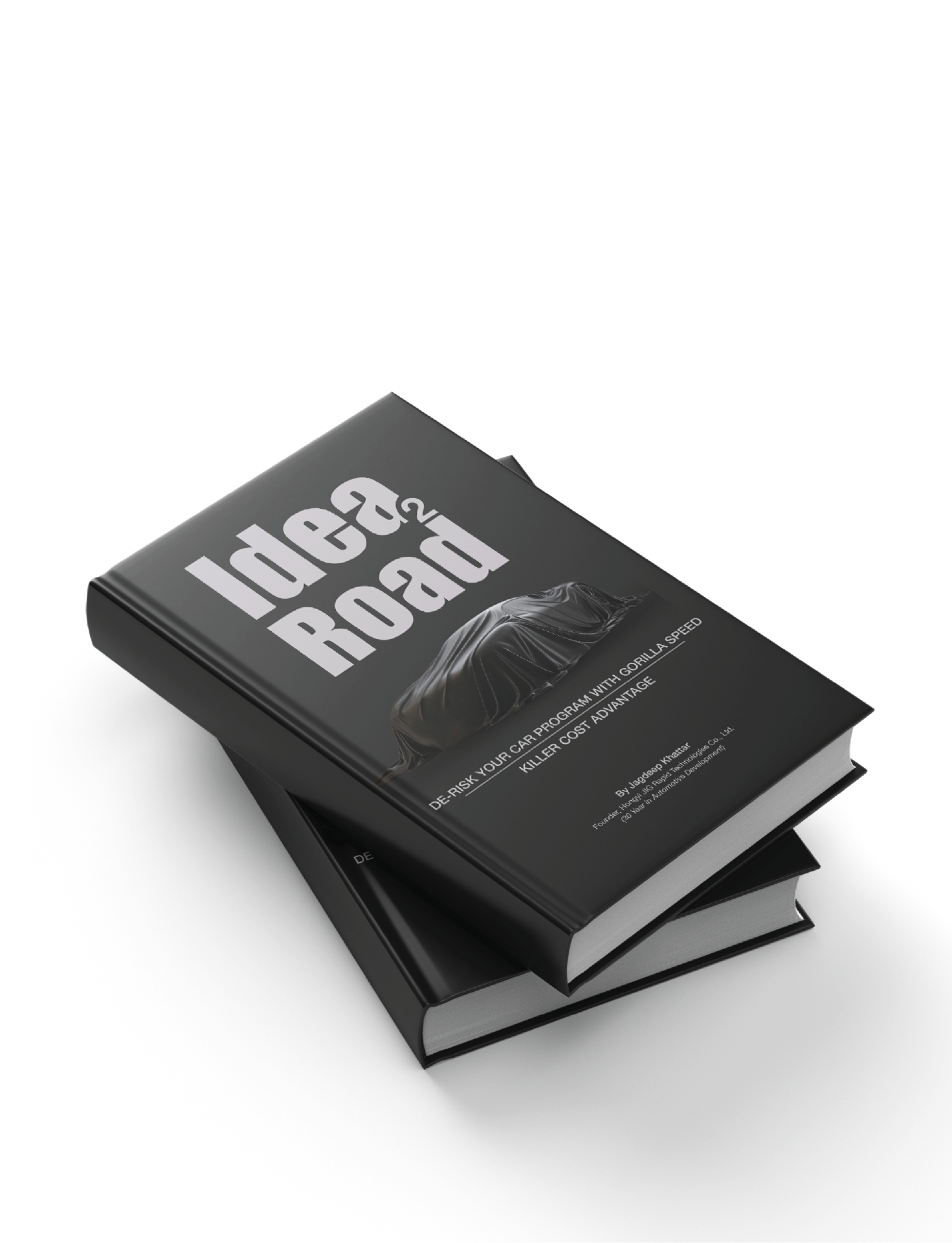
From Idea to Road
A practical guide to vehicle development in India
Global vehicle launches take twelve to eighteen months. In India, the same programme typically takes twenty-four to thirty-six months. This book is the playbook for closing that gap, built from thirty years of automotive tooling and governance experience. Publishing soon.
Where do you want to go next
READY TO TALK
Start a Structured Discussion
Twenty minutes. No quotation.
SEE INDUSTRIES WE GOVERN
Industries We Govern
See how the same governance principles apply across Medical, Appliances, and Consumer Electronics.