30 years . 3,000+ projects governed . India and China . The patterns below repeat across every one of them.
Programme Entry
Before B1
Kickoff and Engineering
B1 to B2
Pre-Tooling
Point of No Return
Manufacturing and Trials
B4 to B5
Dispatch and Closure
B6 to B7
When a project fails, everyone looks in the wrong place.
The investigation usually concludes the same things. Poor supplier. Bad toolmaker. Engineering errors. Timeline pressure. Communication gaps.
So organisations respond the same way. Better planning. More meetings. Additional reporting. Stronger follow-up. More management intervention.
The same failures return on the next project.
The observed failures are symptoms. The cause sits somewhere else entirely.

THE PATTERN
Five patterns. One project. Always in this order.
These are not isolated problems. They are a sequence, each one creating the conditions for the next. Mapped against the B-Series stages where each failure originates.

PATTERN 01, BEFORE B1
High expectations. Low information.
Projects begin with ambition and urgency. SOR not locked. Supplier not qualified. Budget based on assumption. The mould list is a guess.
Somewhere in the middle of the programme, the gap between those two things becomes visible. By then, it is expensive to fix.

PATTERN 02, B1 TO B2
Price pressure without understanding what price protects.
When customers do not understand the process, they negotiate blind. They push the supplier to a price without understanding what that price is protecting. The supplier, under commercial pressure, quietly adjusts. Quality decisions are made without the customer knowing they were made. The result is two simultaneous failures. A supplier who reduced quality to protect margin. A customer who never defined what quality meant.
A programme that delivers a result nobody wanted, but nobody can say is wrong, because nothing was clearly defined as right.
PATTERN 03, B3
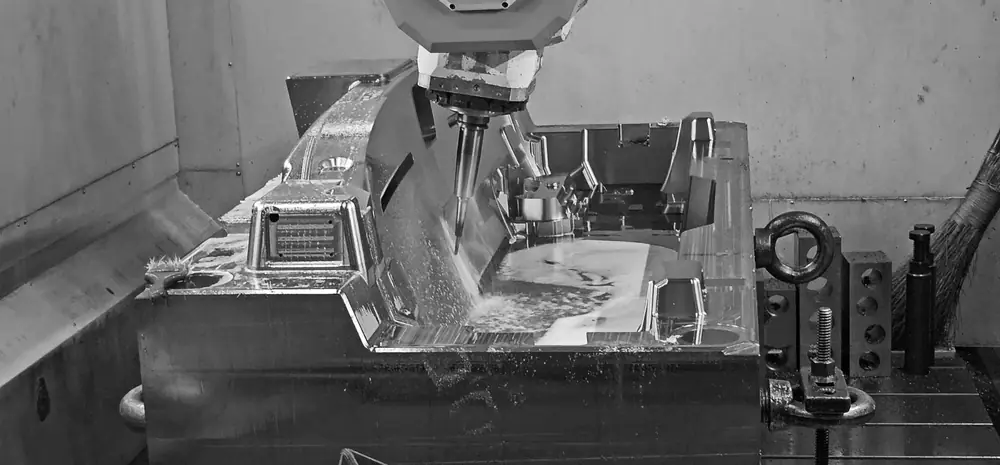
STEEL IS CUT
This is not a milestone. It is a point of no return.
Every change after this point multiplies cost and time. Options close. Negotiations harden. The decision that felt small six weeks ago now has a price tag.
PATTERN 04, B4 TO B5
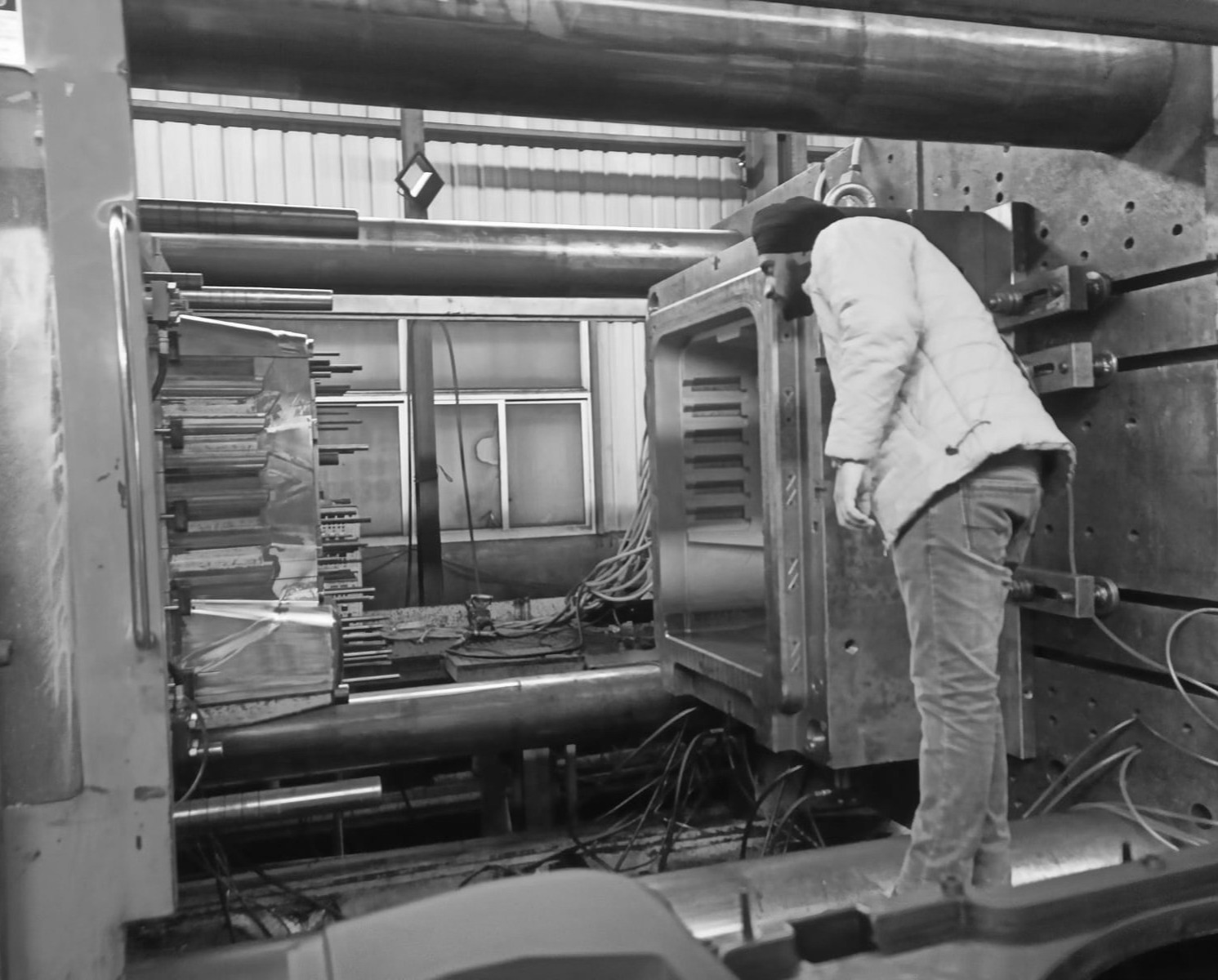
Mould trials don't create problems. They expose them.
T1 fails. Corrections begin. Design assumptions meet physical reality. Responsibility shifts. Everyone did their job. Nobody owns the outcome.
Trials reveal reality. They do not cause it. By the time the trial fails, the decision that caused it was made weeks or months earlier.

PATTERN 05, B6 TO B7
The blame loop.
Shipment delayed. Installation disputed. Each party points to the last decision they did not make.
Blame creates movement. No one owns the outcome.
Every one of these patterns has the same root cause.
The problem is almost never where people are looking.
It is in the decision that was taken six weeks earlier. Without structure. Without ownership. Without visibility of consequences.
These are not five different problems.
They are five symptoms of one.
No structure at the beginning. No authority throughout. Nobody whose job it was to prevent this.
When decisions remain fragmented and ownership becomes distributed, the programme gradually loses alignment, even though individual functions continue performing their assigned responsibilities.
Programmes rarely fail because organisations lack technical competence. They fail because nobody owned the decision connecting all of them.